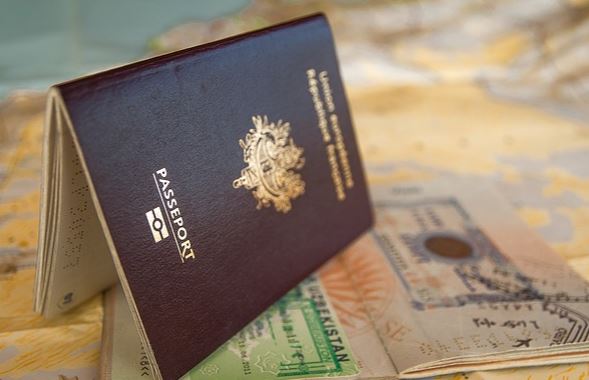
Every traveler visiting Japan must fill out a customs declaration form before they arrive, regardless of visa requirements.
This form can be confusing, and it’s crucial to fill it out correctly to avoid problems with Japanese customs authorities.
Luckily, Japan-CustomsDeclaration.com now offers a simplified version of the form to ensure you make no mistakes when completing it.
This makes the process quicker and easier for travelers, ensuring a hassle-free experience upon arrival in Japan.
What Is the Japan Customs Declaration Form?
The Japan Customs Declaration is a mandatory form that all travelers entering Japan must complete.
This form requires detailed information about the items brought into the country, including:
- Personal goods
- Currency
- Restricted or prohibited items.
The declaration is an essential part of Japan's customs and border control process. It helps the Japanese authorities prevent smuggling, protect public health, and ensure national security.
By accurately completing this form, travelers help to protect Japan’s economy and citizens.
Who Needs to Complete the Japan Customs Declaration Form?
All travelers entering the country are required to fill out the Japan Customs Declaration, regardless of nationality. This includes:
- Tourists coming for leisure
- Business travelers attending meetings or conferences
- Residents returning to Japan after time abroad
This applies to all individuals without exception, whether they are first-time visitors or frequent travelers.
What Information Do You Need to Provide on the Customs Declaration Form?
The Japan Customs Declaration form requires travelers to provide comprehensive personal, travel, and luggage details. Here is a summary of the information you need to provide:
Personal Information
Firstly, you need to provide some personal details, including:
- Your name, sex and date of birth
- Country of citizenship and residence
- Your address
Passport and contact details
Next, you must give your passport details. This includes which country your passport is from, your passport number and expiry date.
You must also share your contact details, including your email address and phone number.
Travel details
You will be asked to provide general information about your trip to Japan. This includes your intended date of entry and exit, the purpose of your visit and where you’ll be staying in Japan, among other details.
Declared items
You must declare if you are brining any of the following items into Japan:
- Restricted items
- Products made of gold
- Goods (purchases, souvenirs, gifts) exceeding duty-free allowance
- Large quantities of cash
How Japan-CustomsDeclaration.com Simplifies the Process
With clear instructions and 24/7 assistance available, you can complete your declaration quickly and confidently.
There are numerous advantages of using this service:
- Expert review of applications: Every application is thoroughly reviewed by electronic customs declaration experts before it’s submitted to the Japanese government.
- Correction of missing/incorrect information: Customs declaration experts will correct any errors. Passport data is crosschecked using exclusive advanced technology APIs, ensuring all details are precise and complete.
- Time-saving: You can significantly reduce the time spent on filling out the form, allowing you to focus on enjoying your trip.
- Peace of mind: You can rest assured that your customs declaration is correctly completed, minimizing the risk of any complications at the border.
Who is eligible for the simplified Customs Declaration form?
Over 200 nationalities are eligible for the simplified Customs Declaration form when entering Japan.
These include:
- China
- France
- Singapore
- South Korea
- The United States
- The United Kingdom
Using the Customs Declaration Form for Japan
Travelers simply need to fill out the application form with the necessary details about their trip and the items they are bringing into Japan.
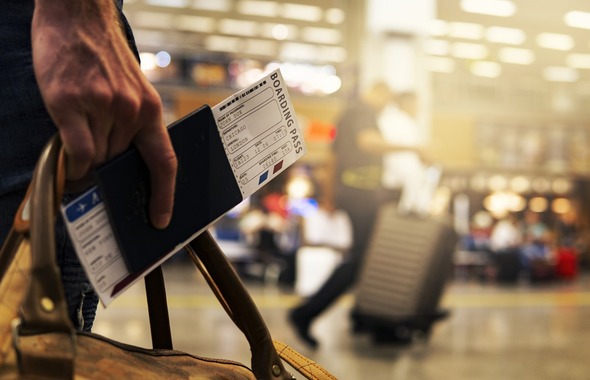
Once the application is completed, it is processed promptly. You will then receive a QR code by email that you present to customs on arrival in Japan.
Do you dream of working remotely from a foreign country?
According to Nomad List, Japan was the top growing destination for remote work in 2023, thanks in part to its comparatively low living costs for foreign residents.
Japan’s Nomad Visa, launching in March 2024, gives foreign digital nomads the chance to spend up to 6 months living in Japan.
In this post, you can learn more about the Japanese Nomad Visa requirements and how to begin working remotely from Japan.
Opportunities to Work Remotely in Japan
With a Nomad Visa for Japan, digital nomads who work remotely for businesses in other countries are entitled to a 6-month stay.
Nomad Visas are classed under the ‘specified activities’ work category and are different from other types of work visas for Japan.
With a Nomad Visa for Japan, you do not get a residency card or certificate. This means that you’ll be exempt from accessing some governmental benefits.
Japan Digital Nomad Visa Requirements
Citizens of around 50 approved countries can apply for the Nomad Visa for Japan, including the United Kingdom, United States, Australia and Singapore.
The Japanese Nomad visa has various requirements. To apply, you must:
- Be a remote worker for a business or company outside of Japan, or be self-employed
- Have an annual salary of ¥10 million YEN (equivalent to £52,790 GBP, $67,656 USD, €61,848 EUR)
- Have private medical insurance
How long can I stay in Japan with a Nomad Visa?
The Nomad Visa lets you work remotely in Japan for up to 6 months. Once your Nomad Visa has expired, you have to leave the country. It’s not possible to renew the Nomad Visa.
You can apply for another Nomad Visa once you’ve spent 6 months outside of Japan. You can also apply for other types of visas as soon as you’ve left Japan.
Can my partner and children join my Nomad Visa?
You can bring your children and spouse with you to Japan if you have a Nomad Visa. They’ll be given a type of visa known as a dependent visa, which is based on your provider status.
Can my partner also work remotely from Japan?
If your partner holds a dependent visa but also wants to work remotely from Japan, they’ll need to get permission from Japan’s Immigration Services Agency. These requests are considered on a case by case basis.
Foreign visitors with dependent visas are not entitled to complete full-time work, meaning they can only do a maximum of 28 hours of remote work per week.
Dependents are also not allowed to earn more than the person they depend upon financially (i.e. the Nomad Visa holder).
Can I change from remote work to a job in Japan?
If you have a Nomad Visa, you’re not entitled to take on work in Japan.
One of the key principles of the Nomad Visa is that only people who work for businesses or companies outside of Japan are eligible, as well as self-employed people.
If you want to get a job in Japan, you’ll have to start the process of getting a work visa from outside the country.
Having worked remotely from Japan with a Nomad Visa does not automatically qualify you for a work visa.
You’ll need to apply for a work visa at your local Japanese embassy or consulate. One of the essential requirements of a work visa for Japan is a job offer from a Japanese employer.
Will I pay tax in Japan with a Nomad Visa?
With the Nomad Visa, you will not pay tax in Japan. You’ll continue to pay tax in the country where your employer or business is based.
Japan has signed tax treaties with the countries approved for the Nomad Visa. If you’re eligible to apply, you’re exempt from paying tax in Japan if you live and work there remotely with a Nomad Visa.
Short-Term Remote Work With Japan’s eVisa
For digital nomads looking for a shorter-term stay, the Japanese eVisa is an available option for passport holders or permanent residents of certain countries.
If you’re eligible for an eVisa for Japan, you’ll be able to stay for up to 90 days as a tourist. The Japanese eVisa is remote-worker friendly, meaning you can continue your normal working-from-home activities while visiting.
It’s easy to apply for the eVisa for Japan online. Applicants need to have a valid passport, an official birth certificate or certified copy, and a marriage certificate if married.
You’ll also need to provide a recent photograph and your travel itinerary for Japan, along with a completed application form.
Check the requirements for the eVisa for Japan to see if you’re eligible to apply.
Visa-Free Travel to Japan for Digital Nomads
Travelers from around 70 countries are allowed to spend up to 90 days in Japan without a visa for tourism purposes.
Visa-exempt countries include the United States, United Kingdom, Australia, New Zealand, Canada and many EU countries.
You’re not allowed to do work with a Japanese company during your stay. However, digital nomads who are eligible for visa-free travel can work remotely from Japan during their short stay of up to 3 months.
You should check the visa requirements for Japan before you travel.
Other Types of Work Visas for Japan
All types of work visas for Japan need sponsorship from a Japanese company. The Digital Nomad visa is an exception to this rule.
You’ll also need to provide a completed application form and some photographs, as well as some personal documentation like your passport, or academic and professional certificates.
For some Japanese work visa applications, you’ll also need a Certificate of Eligibility, a type of pre-visa approval issued by the Immigration Services Authority.
Here you can see the differences between Japanese work and business visas, including what they’re used for, and the extra documentation required in your application.
Work visa
- Use
- Jobs based in Japan
- Valid for 3 months to 5 years
- Extra requirements for your application
- Copy of your job offer
- Contact details and information about your employer
Business visa
- Use
- meetings, business dealings and conferences in Japan
- valid up to for 3 months
- Extra requirements for your application
- Evidence of your planned business activities or relationships with Japanese companies
If you’ve been studying in Japan and will soon graduate, it’s possible to request a work visa as an extension of your student visa, without having to leave the country.
Highly Skilled Professional and Working Holiday visas
Young travelers hoping to work part-time in Japan can apply for the Working Holiday visa. More than 25 nationalities are eligible, including the United Kingdom, some EU countries and Australia, and you have to be between the ages of 18 and 30 to qualify.
For foreign nationals already living and working in Japan in advanced research, technical or management fields, the Highly Skilled Professional visa is a points-based visa extension which can grant up to 5 years of additional residence.
In recent years, Japan’s Immigration Service Authority has implemented various new visas which expand opportunities for foreign workers.
Visit your local embassy or consulate to find out which type of work visa you need for Japan and how to apply.
Getting ready to book flights to Japan? Along with preparing essential documents like a Japanese visa, it’s important to think carefully about which airport to fly to and leave from.
Where you start and finish your trip will be the center point of your journey and your planned destinations. Check our useful guide on the most popular airports in Japan to find out which is the best for your trip.
How Many Airports Does Japan Have?
There are 5 international airports in Japan and 24 local airports that operate domestic flights.
To fly in from overseas, you can take a flight to any of the following international airports:
Airport Name: Chūbu Centrair International Airport (NGO)
Region: Chūbu
Closest Major Attractions:
- Atsuta Shrine
- Legoland Japan
- Nagoya Castle
Airport Name: Kansai International Airport (KIX)
Region: Kansai
Closest Major Attractions:
- Kyoto
- Nara
- Osaka Castle
- Universal Studios Japan
Airport Name: Narita International Airport (NRT)
Region: Kanto
Closest Major Attractions:
- Akihabara
- Asakusa
- Tokyo Disneyland
- Tokyo Skytree
Airport Name: Osaka International Airport (Itami) (ITM)
Region: Kansai
Closest Major Attractions:
- Kobe Harborland
- Osaka Castle
- Umeda Sky Building
Airport Name: Tokyo International Airport (Haneda) (HND)
Region: Kanto
Closest Major Attractions:
- Ginza
- Shibuya
- Tokyo Tower
- Yokohama
Which is Tokyo’s main international airport?
Travelers often ask about the difference between Tokyo Narita and Tokyo Haneda Airport.
Tokyo Narita is located just outside in the region of Chiba. Tokyo Haneda Airport is officially considered to be Tokyo’s main international airport, as it is located closest to the capital city.
Domestic Airports in Japan
Domestic flights can be a great option if you plan on traveling a large distance in Japan or would like to visit an island without having to change trains and catch ferries.
Here’s a list of all the airports in Japan that operate domestic flights:
- Akita Airport (Akita)
- Asahikawa Airport (Hokkaidō)
- New Chitose Airport (Hokkaidō)
- Fukuoka Airport (Fukuoka )
- Hakodate Airport (Hokkaidō)
- Yamagata Airport (Yamagata)
- Kagoshima Airport (Kagoshima)
- Kitakyūshū Airport (Fukuoka)
- Oita Airport (Ōita)
- Kushiro Airport (Hokkaidō)
- Kumamoto Airport (Kumamoto )
- Matsuyama Airport (Ehime)
- Hiroshima Airport (Hiroshima)
- Miyazaki Airport (Miyazaki)
- Naha Airport / Naha Air Base (Okinawa)
- Kōchi Airport (Kōchi)
- Sendai Airport (Miyagi)
- Niigata Airport (Niigata)
- Tokachi-ObihiroAirport (Hokkaidō)
- Nagasaki Airport (Nagasaki)
- Takamatsu Airport (Kagawa)
- Yamaguchi Ube Airport (Yamaguchi)
- Wakkanai Airport (Hokkaidō)
- Yao Airport (Osaka)
Planning Your Arrival and Departure Through Japan’s Airports
Look up the travel route between your airport of choice and accommodation before your trip to make sure you’re on time. Here’s some useful information to help you prepare your itinerary if you’re flying to Tokyo:
- Tokyo Haneda is located in the south of Tokyo and the journey to the center is approximately 30 minutes.Take the Tokyo Monorail and then change to the JR Yamanote Line or Keikyu Line.
- Tokyo Narita is situated towards the east of Tokyo and the journey time to the center is approximately 1 hour. The Narita Express service is a direct line.
Be sure to prepare for your journey by planning your route and making sure you have the right documents in order to travel.
If you need a visa, consult the different visa types for Japan to get the right permit for your travel purpose, length of stay, and nationality.
The Japanese are known for their hard-working attitude and dedicated approach to their professional lives. However, that doesn’t mean they don’t enjoy any downtime. One of the best periods of the year to relax and unwind for Japanese citizens falls during Golden Week which occurs between the end of April and early May.
If you will be visiting Japan in 2021 it’s important to plan your trip appropriately around this peak travel period as hotels, trains and buses can get very busy. It is also important to ensure you have the correct visa for Japan. Travelers will be able to apply online for the Japan eVisa and, once approved, the visa is sent via email.
In the following article, you’ll learn what celebrations make up Golden Week and how it could affect a trip to Japan during this period. You’ll also see that despite the crowds of holidaymakers, that a trip to Japan during this time is still worthwhile.
Why is Golden Week Called Golden Week?
Golden Week (or GW as it’s often known in the country) got its name from the number of holidays that fall during the period. It’s quite simply a golden opportunity for workers to get some well-deserved rest and relaxation.
What Happens During Golden Week?
During this period many workers take advantage of the numerous public holidays and take paid leave. In a few cases, companies close down for some of the days between the formal festivals to give their staff a well-earned rest.
In 2021 the biggest block of holidays will fall between May 3nd to May 5th. During this time Japanese citizens will be able to enjoy a 5-day weekend, with intercity travel expected to peak on approximately May 1st. The official celebrations that make up Golden Week are:
April 29th: Shōwa Day
In Japan, the reigning Emperor’s birthday is a public holiday. The birthday of Emperor Hirohito, who reigned during the Shōwa period (1926–1989), has remained a holiday and is celebrated on April 29th, Shōwa Day (Showa no hi).
May 3rd: Constitution Day
Constitution Day (Kenpo kinenbi) celebrates the enactment of the 1947 Constitution of Japan. It is considered to be a day to reflect on the history of the country and the meaning of democracy. It’s a great opportunity to visit the National Diet which opens its doors to the public.
May 4th: Greenery Day
Greenery Day (Midori no hi) originates from the celebration of the Emperor Shōwa's birthday. In recognition of this Emperor’s love for plants, this holiday is a day to be thankful for nature.
May 5th: Children’s Day
The final event of the Golden Week, Children's Day (Kodomo no hi), celebrates children and their happiness. On this day families fly carp-shaped windsocks on sticks representing the legend that a carp which swims upstream becomes a dragon and enters heaven.
Visiting Japan During Golden Week
Japan during Golden Weekcan be a very busy time. The Japanese travel network is especially pushed, with traffic jams being common. It’s a good idea to make any hotel or train ticket reservations well in advance of your trip to the country and to give yourself a bit more time flexibility if traveling by road.
The number of festivities during this time also falls close to the arrival of cherry blossom season, which occurs in spring between mid-March and early April. This is perhaps even busier than Golden Week as Japanese tourists and tourists from overseas alike come to take part in traditional Hanami (cherry blossom observation).
Where to Visit in Golden Week
Whilst a lot of the biggest tourist attractions can be extra busy during this period, there’s still lots that can be seen during Golden Week. Many of the shrines around the country will put on special festivals. There will also be numerous special music and entertainment events put on in the cities to celebrate the festivities.
Japan is also a great country to enjoy the great outdoors. Golden week is, therefore, an excellent time to experience the many parks and gardens that the nation has to offer. If you’re feeling extra adventurous you could also take advantage of the winter sports scene, which will still be in season during this time in the country’s more mountainous regions.
Is Kyoto busy during Golden Week?
Generally speaking, Kyoto does see a large influx of tourists from around Japan during Golden Week. If visiting during that time, like in many other parts of Japan, it’s important to make sure you make any train or bus seat or hotel reservations well in advance.
However, whilst Kyoto is certainly a tourist hotspot in itself, the city will only experience very high volumes of tourists in certain areas. This affects some of the most popular attractions, although other parts of the city will remain quite accessible. Some of the places with the biggest influxes of tourists during Golden Week will be:
- Kiyomizu-dera Temple
- Fushimi-Inari-Taisha Shrine
- Nishiki Market
- Ginkaku-ji Temple
- Kinkaku-ji Temple
- Ryoan-ji Temple rock garden
- Nijo-jo Castle
Golden Week is one of the best times all year to see the Japanese population take a break from it all and enjoy some relaxation time. If you’re going to visit Japan in 2021, remember getting the right visa is about to get more accessible with the introduction of the Japanese eVisa. Simply check online which visa requirements apply to your nationality and get ready to travel easily.
Japan has made it much easier for foreigners to obtain a work visa for Japan. The country has a shortage of workers and is now looking abroad to recruit workers. This is welcome news for anyone who dreams of working and living in the Land of the Rising Sun.
There are 2 versions of the new Japanese work visa which both require applicants to be sponsored by a local company. Visa applicants must also provide a range of documentation and pass a Japanese language exam.
Martin Schulz, senior economist for the Fujitsu Research Institute in Tokyo, said:
"Government statistics and industry are both telling us that the labor market is completely empty."
"With the boom in the construction sector ahead of the 2020 Tokyo Olympic Games, companies are becoming desperate. They are finding it very hard to fulfill their current project requirements and they are refusing to take on new projects," he said.
The 2 Types of New Japan Work Visas
There are 2 types of the new work visa which both allow workers to stay in Japan for up to 5 years (with the option of a renewal).
- The first type of visa is aimed at blue-collar workers with limited skills. It covers 14 industries including catering, cleaning, construction, agriculture, and fishing.
- The second type of Japan work visa is aimed at skilled workers and it allows workers to bring their families with them if they meet certain criteria. People with in-demand skills can apply for this type of visa.
How Many Work Visas will Japan Issue?
Japan’s labor shortage needs urgent attention. It is expected that around 50,0000 work visas will be issued in the first year and that roughly 350,000 will be processed over the next 5 years. However, these numbers will still fail to meet the needs of the domestic economy according to experts.
Japan has seen increasing numbers of women entering the workforce as well as older people either delaying retirement or returning to work because they are needed. However, despite these trends, job openings remain unfilled.
"I see this number as a test case for the country as they experiment with the new regulations and the integration of foreigners into Japanese society. If these people can fit in, then perhaps the rules will be relaxed further in the future and more foreigners can come with their families," said Schulz.
Japanese Businesses Welcome Changes
In a press conference after the new visa program was launched, Nobuyoshi Aoyama, a senior official at the Japan Chamber of Commerce and Industry, said: "We appreciate the new system as it tackles the labor shortage issue."
He said it was vital for the country to implement the smooth integration of foreigners into workplaces and communities.
Certain industries such as convenience stores are desperate for more people. Shop owners are working long hours to keep their doors open and meet the requirements of their franchise agreements. An influx of workers will take pressure of business owners and provide opportunities for foreign workers.
When considering the best time to visit Japan, those who want to experience traditional expressions of Japanese culture should take into account the most important festivities which take place during the year. But first, it’s important to understand how the Japanese calendar works. Most people know about the zodiac animals which each year in Japan is named after (rat, sheep, dragon, etc.), but are unaware that the Japanese calendar has its own system for months, as well as a six-day cycle of designated lucky and unlucky days.
Before planning when on the Japanese calendar to visit the country, travelers should first check if they require a visa to enter Japan. Citizens of a number of eligible countries will soon be able to apply for a Japanese Online Visa, which is due to be implemented by Spring 2021 and will eliminate the need to apply for a visa from a Japanese embassy or consulate.
What Calendar Does Japan Use?
The first Japanese calendar is said to have been drawn up in 604 AD, influenced by the systems in use in both China and Korea at the time. Over the next few centuries, the Japanese then developed their own unique calendar using several of the features of the Chinese lunar calender. Months on the Japanese calendar started with the new moon, with the midpoint of the month marked by the full moon. It was sometimes necessary to add an extra month as each year only had 354 days.
The years were numbered on the Japanese calendar using the nengō system, which designated eras named after the reigning Emperor. Since the Meiji period (1868-1912), each reign has been one era. The nengō system of numbering years still remains in use in Japan, especially on government documents.
Although the nengō system remains in use on domestic and regional paperwork, Japan officially switched to the Gregorian Calendar on January 1st, 1873, at the beginning of the Meiji period. However, many aspects of the traditional Japanese system remain in use, and can still be seen on many printed calendars today.
Features of the Japanese Calendar
The days on most Japanese printed calendars will include Satsuki (the traditional Japanese month name), Shinreki (the day and month of the Gregorian calendar), Kyūreki (the day and month of the traditional calendar), and Rokuyo (which marks the day as either lucky or unlucky).
The months of the traditional Japanese calendar each start later than its equivalent in the Gregorian calendar, with the first month beginning in late January or early February. The names of the traditional Japanese months, as well as their believed original meaning, are as follows:
- Mutsuki - When family members gather for New Year
- Kisaragi - The month of covering up against the cold
- Yayoi - The month of new plant growth
- Uzuki - The month when the deutzia flowers bloom
- Satsuki - Rice planting season
- Minazuki - The month for flooding rice fields
- Fumizuki - When rice ripens
- Hazuki - When the leaves fall
- Nagatsuki - The month when the night gets longer
- Kannazuki - The month of gods
- Shimotsuki - The month of frost
- Shiwasu - The month in which to make preparations for the New Year.
Rokuyo is a repeated sequence of six days which indicates whether the day is favorable or not, especially in the case of weddings and funerals, and is divided into the following:
- Senshō - Considered to be a day with a favorable morning but a less promising afternoon.
- Tomobiki - A day said to have favorable outcomes for happy events but less so for somber occasions such as funerals.
- Senpu/Sakimake - A day on which it is advisable to act calmly, and which is said to have an afternoon favoring positive outcomes.
- Butsumetsu - Generally considered unlucky but acceptable for funerals and Buddhist rites.
- Taian - Considered a lucky day, especially for weddings.
- Shakkō/Shaku - Considered an unlucky day for celebrations such as weddings. Midday is the only time considered fortuitous during this day.
Important Dates on the 2021 Japanese Calendar
The Japanese calendar contains 5 seasonal festivals held on days deemed to be favorable according to Rokuyo, known as the five sekku. The five sekku in 2021 are as follows:
- Jinjitsu no sekku (January 7th) - Traditionally, a day associated with prayers for a good harvest and the eating of nanakusa-gayu, a rice porridge seasoned with herbs.
- Momo no sekku (March 3rd) - On which Hinamatsuri, a festival celebrating daughters, is held.
- Tango no sekku (May 5th) - Traditionally known as Boy’s Day, the holiday is celebrated in modern Japan as Children’s Day.
- Tanabata (July 7th) - Star Festival, which is celebrated with the tradition of writing hopes and wishes on strips of colored paper and displaying them in public places.
- Chōyō no sekku (September 9th) - A day on which temples are decorated with colorful chrysanthemums, a flower traditionally associated with imperial Japan.
Other important Japanese calendar dates in 2021 include:
- New Year’s Day (January 1st)
- The Emperor’s Birthday (February 23rd)
- Golden week in Japan (April 29th to May 5th)
- Tokyo 2020 Olympic Games (July 23rd to August 8th)
- Autumnal Equinox Day (September 22nd)
- Labor Thanksgiving Day (November 23rd)
For many people across the globe, Japan is high on their list of dream destinations. It conjures images of beautiful temples surrounded by orange blossom, ultra-modern metropolises with towering skyscrapers and neon lights, and an intoxicating mix of frenetic activity and love for harmony and nature.
The Japanese government has announced a new electronic visa which should make it easier to visit the country. The Japan eVisa will be quick and simple and will allow visitors to avoid long queues at embassies. You will be required to fill in a straight-forward Japan eVisa application form with details including full name, passport information and the purpose of your visit to Japan. You will need a passport valid for at least 6 months, an active email address at which to receive the eVisa and a credit or debit card in order to make the visa payment.
When visiting Japan visitors invariably head for Tokyo. The Japanese capital has an incredible range of attractions to offer visitors from temples to palaces, beautiful parks and some of the best museums you’ll find anywhere on Earth.
Some visitors to the land of the rising sun overlook Osaka, thinking that it is just a smaller version of Tokyo with little to offer, but they are very mistaken.
Tokyo: Old meets new in the ultimate megacity
To say that Tokyo is a big city is something of an understatement.
The Japanese capital is immense and its greater metropolitan area is currently the most populated in the world with a staggering 37 million inhabitants.
In a city of this size, it’s no surprise that the list of things to see and do is and options for tourism in Tokyo are virtually limitless. It is a place that effortlessly combines ancient tradition with the very latest technology and trends.
Highlights of Tokyo include:
- Shibuya Crossing: This iconic zigzagging road crossing is a must for those looking to take a picture that defines Tokyo. It is the busiest crossing in the world with up to 3,000 people crossing at once.
- Senso-ji: Located at the end of a busy shopping street, Senso-ji is a beautiful
- Shinto temple with the second tallest pagoda in Japan.
- Tokyo Skytree: Tokyo’s tallest building is also the tallest tower in the world.
- The viewing gallery offers 360º panoramic views of the city**. It isn’t cheap but it’s definitely worth it provided you don’t suffer from vertigo.
Osaka: Japan’s third largest city is a brash and fun delight
Sometimes overlooked by tourists as it does not have as many iconic attractions as other Japanese cities, Osaka is nevertheless not to be missed.
Know for its nightlife, Osaka is less conservative than other parts of the country and tourism in Osaka is centered around entertainment.
It is also a must for foodies and is known for having some of the best restaurants in the country. Tops Osaka attractions include:
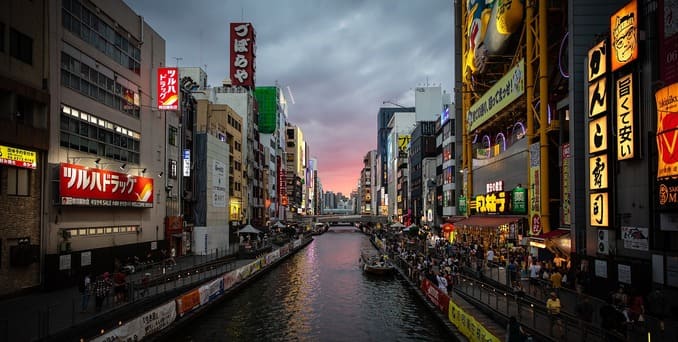
- Dotombori: This is the city’s (and arguably Japan’s) liveliest night spot. Here visitors are greeted by endless neon signs advertising a wide range of venues to eat, drink, sing and have fun.
- Osaka Castle: This striking castle with its five-story white and green tower is a must for anyone interested in Japanese culture. As well as housing a military museum, there are also great views of the city from the top floor.
- Osaka Aquarium: Resembling a giant lego brick, this is one of the largest aquariums in the world with a variety of different habitats including a variety of sharks and manta rays.
Those visiting Japan should not feel that they have to decide if Tokyo or Osaka is better. The best option is to visit both and experience two great cities with different personalities. The fastest way to travel between the two cities is on the bullet train, with average journey times of around 2.5 hours.
The Japanese government is making it easier for skilled Pakistani youth to come and legally work in Japan under its new visa regime system. Selected Pakistani students are first being allowed to visit Japanese universities under a youth exchange program made with SAARC (South Asian Association for Regional Cooperation) countries.
The Japan-East Asia Network of Exchange for Students and Youths (JENESYS) aims to strengthen mutual trust and understanding between the people of Japan and participating countries, as well as to open the Japanese labor market to Pakistani nationals and citizens of 9 other countries.
Pakistani students selected for the people-to-people exchange program will be able to travel to Japan without a visa in order to better understand the language and culture, and ideally encourage them to join the Japanese workforce in the future.
The Japan-SAARC Network Programme for Pakistani Youth
The JENESYS program for Pakistani citizens was first inaugurated in November 2019 during the Japan Festival at the National University of Modern Languages (NUML) in Islamabad, Pakistan. The event was jointly organized by the Japanese Embassy in Pakistan and held to showcase the Japanese language expertise of students at the university, as well as to celebrate the cultural diversity of Japan in Pakistan.
During the festival, Japanese Ambassador to Pakistan Kuninori Matsuda announced the names of the first 9 Pakistani students to benefit from JENESYS, to coincide with the anniversary of 70 years of diplomatic relations between Japan and Pakistan in 2020.
Five students from the Pir Mehr Ali Shah Arid Agriculture University and 4 students from the Beaconhouse School, along with a supervisor, were confirmed for a short visa-free trip to Japan later in the month.
The students were later given a pre-departure orientation at the Japanese Embassy in Islamabad to provide them with basic information about Japanese society. Ambassador Matsuda then presented the participants with their free visas for Japan.
Matsuda expressed his view that youth exchange programs such as JENESYS are an ideal way for participants to learn about a new culture. He then encouraged the Pakistani students to make the most of their exchange, to make friends, and to enjoy Japanese culture and historical heritage during their stay.
The New Japanese Work Visa For Pakistani Citizens
The new JENESYS program for Pakistani youth is one of the latest strategies and policies the Japanese government is using to encourage foreign labor to come to the country. The relaxation of Japanese visa requirements for Pakistani students follows the recent introduction of Japanese work visas to ease labor shortages in the country.
There are 2 types of new work visa which allow applicants to stay in Japan for up to 5 years with the possibility of renewal; one aimed at blue-collar workers with limited skills, and one aimed at skilled workers who need to meet certain criteria.
Pakistani citizens have two ways of obtaining the new skilled work visa for Japan:
- Pass an exam which measures Japanese language ability and the skills needed in the industrial sector where the applicant intends to work.
- Complete a three-year technical intern training program in Japan and then change their visa status to ‘specific skills’.
The new skilled work visa can be issued to work in 14 industries in Japan, including nursing care, hotels and restaurant work, IT, and industrial machinery manufacturing.
The government is hoping to attract a maximum of 47,000 foreign workers with the new visa program within the first fiscal year. The largest number of successful applicants so far have been citizens of Vietnam.
Working in Japan as a Pakistani Citizen
Pakistani citizens have been traveling to work in Japan since as early as 1950, 3 years after Pakistan achieved its independence in 1947. Migration to Japan from Pakistan increased dramatically in the 1980s, particularly among unskilled workers, but later in the same decade, visa-free entry to Japan for Pakistanis was revoked due to fears around illegal labor.
By the year 2000, there were only 7,498 registered Pakistanis living and working in Japan. However, this number had increased to 10, 849 by 2011, and is set to rise even further following the introduction of JENESYS and the relaxation of requirements for Japanese visas for Pakistani citizens.
At the moment, Pakistani citizens are required to apply for a visa at a Japanese embassy, whether they wish to work, study, or have a holiday in Japan. However, this is expected to change in the near future when the tourist e-Visa for Japan becomes available through a simple online application, eliminating the need to apply in person for purposes of tourism.
Spring is a beautiful time of year anywhere in the world. However, Tokyo in spring takes things to another level. Japan’s capital city may be a sprawling metropolis but this is perhaps one of the world’s premier destinations when it comes to enjoying the natural beauty of this season.
This city of almost 9.3 million is a must-visit stop on your trip to the East Asian nation. There are so many things to see in Japan in spring already. That said, you’ll find a huge number of those activities in and around the municipality of Tokyo itself.
We’re going to take a look at 7 of these essential outings that will provide the ultimate Tokyo experience in the springtime.
How can I see Tokyo in Spring?
If you’re planning a visit to Japan this year then there are only a few important things to remember (aside from booking the flight, of course):
- Check you have the right visa to travel to Japan
- Book the correct level of travel insurance for your trip
- Consult your doctor to see if you need any inoculations
- Reserve your accommodation early - Japan in spring is popular with tourists all over the world!
If you’re unsure what documentation you need to enter Japan, check which visa types you’ll need before traveling so that your holiday or business trip goes without a hitch. Simply apply here for your tourist eVisa for Japan and enjoy a worry-free trip.
The best things to see in Tokyo in Spring
1. Enjoy a shower of cherry blossoms
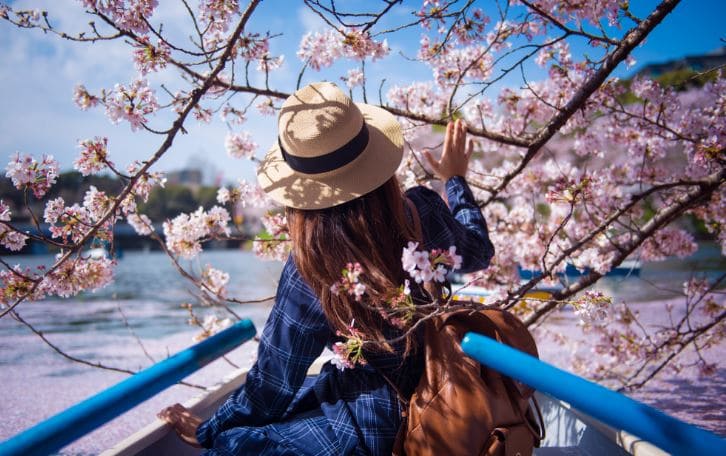
Hanami - the observation of cherry blossoms - is perhaps one of the most famous things to do in Japan in spring. As the blossoms bloom on the trees across the city the landscape turns a bright pink and an exquisite shower of petals start to fall. This beautiful, once a year experience can be enjoyed in many locations across Tokyo city.
Sakura season, which falls between March and April, is an occasion that should be high on anyone’s Tokyo spring itinerary. Be sure to check the special app Sakura Navi. This helpful tool will help you plan the perfect Sakura party during your time in Tokyo.
2. Wander around the wonders of Ueno Park
Ueno Onshi park can be found in the northwestern corner of the city center. It is not only full of natural beauty but is also full of fun activities for you to experience. The park can easily take a day out of your trip with its beautiful boating lake, museum, and zoo.
Ueno park also boasts numerous elegant Edo period temples and shrines built by the Tokugawa clan, which will allow you to enjoy Tokyo’s unique mix of ancient and modern design in all its glory.
3. Enjoy the azalea blooms
Sakura may be the flower that everyone in Tokyo wants to see during springtime, although they are not the undisputed flower queens of the city. Azaleas are another floral treat to enjoy during your time in Tokyo.
These spectacular blooms add a bright burst of color in many of the city’s top destinations. The best places to see them are at the Meiji shrine and the many parks and gardens around the local area.
4. Kick back at Yoyogi Park
One of Tokyo’s coolest experiences for any out-of-towner is the famous Yoyogi Park next to Harajuku station and the Meiji shrine and gardens. This is the place where younger residents love to hang out during the weekend and is where you’ll see Tokyoites at their most relaxed.
This beautiful location, which was the site of the 1964 Olympic park, has a special character of its own. Most notably, you can experience the many cosplayers who gather under the trees and on the lawns, dressed as their favorite anime characters, rockabillies and break dancers.
5. Sample some of the seasonal eats
Whilst in many Western countries we are used to enjoying food in and out of season all year round, Japan is a little more traditional with the food it has on offer. That said, spring in Japan offers a rich mix of delicious natural treats.
Bamboo shoots are the most famous vegetable you’ll find on any spring menu, although the Sansai (or mountain root vegetables) should not be missed. You can enjoy many of these seasonal and healthy treats either steamed with rice or prepared as tasty tempura.
6. Check out the events during Matsuri season
Spring is a time of festivity all over the world and in Japan that is no exception. In Tokyo, you can experience some of the wildest parties during Matsuri, a series of festivals which take place during May.
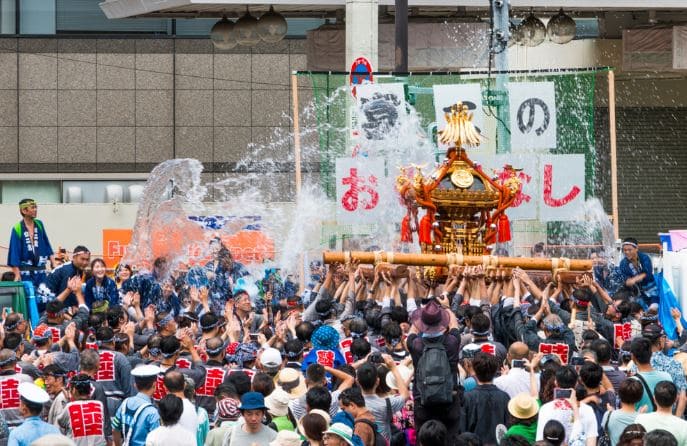
These epic Shinto celebrations honor the three founders of Tokyo’s oldest Buddist temples. During this time you’ll see locals donned in their traditional happi (Kimono-like jackets), hachimaki (headbands) and carrying ornate portable shrines around the city. The streets are also filled with food stalls, people partying, traditional drum and flute bands and even the odd geisha.
7. Be spirited away by the Ghibli Museum, Mitaka
If you love animation, fantasy or movies then the Ghibli Museum, Mitaka (on the outskirts of Tokyo) is an unmissable location for your vacation. Fans of famed director Hayao Miyazaki will be amazed by the collection of original sketches, film cells and large models of his most famous creations like Totoro. There’s even an exclusive short animated film you can watch in the purpose-built cinema, on-site.
Spring really is the best time to see this marvelous museums as it is closed for maintenance during the end of May and early November. Be sure to check the website for the best times to visit before your trip.
Really, any time of year is a great time to travel to Tokyo city. Although, going in spring really adds an extra touch of natural magic to the trip, while the city is in full bloom.
The government of Japan has announced new measures to offer support for foreign students who wish to work in the country, and create an environment in which international students in Japan can find work more easily.
To make it easier for students to find a job in Japan, the government is implementing a system which will permit foreign nationals to stay in the country if there is a gap between the end of their studies and the start of employment, as well as to encourage them to undertake internships in Japan.
The initiative also aims to expand the number of foreign citizens who can take a test to obtain one of the new types of work visas for Japan, which have recently been introduced to combat labor shortages in the country.
The new measures to allow foreign students to find jobs in Japan were adopted in December 2019 during a ministerial meeting held at the Prime Minister’s Office in Tokyo.
The Japanese government also held briefing sessions at a consultation center for foreigners during 2021 to, in order share further information about the recruitment of international students.
Who Is Eligible to Take the Japan Work Visa Test?
The move to allow international students to remain in Japan to seek work follows the recent introduction of other measures to ease labor shortages in the country, including the relaxation of visa requirements for Pakistani students wishing to work in Japan.
The need to attract labor from international markets has also led to the introduction of tests for Japanese work visas for both skilled and unskilled foreign workers.
Besides facilitating jobseeker opportunities for foreign students in Japan, the Japanese government has also decided to expand the range of eligible applicants who can take the tests for the new work visa program.
Previously, only mid-term and long-term foreign residents in Japan were eligible to take the work visa tests. However, the government has revealed that short-term visitors to the country for purposes of tourism and business will now be able to take the tests during their stay.
This means that foreign citizens who visit the country with the upcoming tourist eVisa for Japan will be able to take a visa test to measure eligibility to live and work in Japan.
Requirements for a Japan Work Visa Test for Foreigners
The new measures mean that foreign citizens in Japan on another type of Japanese visa, such as a study or a tourist visa, are eligible to take a test for a work visa during their stay in the country.
Although it is expected to be available through a simple online applicatiion form in the near future, at the moment it is necessary to complete a work visa test in person at a Japanese embassy or consulate.
In order to be considered for a working visa, applicants are required to:
- Obtain sponsorship from a Japanese company in the sector in which they wish to work.
- Pass an exam to prove sufficient understanding of the Japanese language.
There are two types of new work visa for Japan designed to attract foreign workers to the country:
- A work visa for highly skilled workers with in-demand skills, who are also able to bring family members to Japan if they meet certain criteria.
- A work visa for blue collar workers who wish to find employment in sectors such as the hospitality, construction, and agriculture industries
Both types of visa allow foreign workers to undertake unemployment in Japan for up to 5 years, with the possibility of a renewal once the visa expires.
Benefits of the New Japan Work Visa Policy for Foreigners
Both the introduction of the scheme to allow graduating students to find work and the expansion of the work visas tests to short-term visitors are designed to attract both skilled and unskilled workers to stay in Japan to boost Japanese industry.
The government is hoping that both these measures will help to ease the labor shortages affecting the country. Although an increasing number of women and older people past retirement age have been taking on roles in Japanese industry lately, the native workforce is still struggling to meet demand.
So far, around 1,019 work visas for Japan have been issued to foreign citizens under the new program. However, it is estimated that Japan will need to reach the target of 50, 0000 issued work visas within the first year of the scheme, and 350, 000 issued visas within the next 5 years to meet the needs of the local economy.
If you’re planning to travel to Japan from overseas, it’s important that you’re familiar with the country’s travel regulations. These include:
- Health requirements
- Customs rules
- Criminal record policies
In this article you’ll find everything you need to know about Japan’s travel restrictions, so you can prepare for your trip with ease.
Does Japan Have Health Restrictions?
Japan may have certain health restrictions for travelers to ensure public safety and prevent the spread of infectious diseases.
The specific requirements may change depending on global and regional health situations, therefore it’s important to check current information before you travel.
What vaccines do I need for Japan?
Japan does not mandate specific vaccinations for travelers, but it's always a good idea to be up-to-date with routine vaccinations.
Depending on the current health situation, certain vaccines may be recommended. Consult with your healthcare provider before traveling.
As a general rule, it’s wise to ensure you’re updated with routine vaccinations such as:
- Hepatitis A: A liver disease caused by the hepatitis A virus, often contracted through contaminated food or water
- Hepatitis B: A liver infection caused by the hepatitis B virus, transmitted through blood and other bodily fluids
- Japanese Encephalitis: A brain inflammation caused by a virus, primarily transmitted through infected mosquitoes
- Tetanus: A bacterial infection affecting the nervous system, commonly contracted through wound contamination
- Tick-borne Encephalitis: A viral brain infection spread through the bites of infected ticks
Japan’s Customs Regulations
Understanding Japan's customs regulations is essential for a seamless journey. Here's a brief outline of what you should know when crossing Japan’s borders:
Duty-free allowance
Japan offers a duty-free allowance for travelers which includes a certain amount of alcohol, tobacco, and perfume, among other items:
- Alcohol: Up to 3 bottles (approximately 760 ml each)
- Tobacco: 400 cigarettes or an equivalent amount of other tobacco products
- Perfume: Up to 2 ounces (approximately 56 grams)
Restricted and prohibited items
- Prohibited: Narcotics, firearms, counterfeit currency, and certain wildlife products
- Restricted: Some fresh foods, plants, seeds, medications, and products made from endangered animals. Import of these items might require a special permit.
Currency reporting
If you are entering or leaving Japan with cash or other monetary instruments valued more than ¥1,000,000 (or its equivalent in other currencies), you must declare it to customs.
Gifts and souvenirs
Purchases for personal use or gifts valued up to ¥10,000 each item are duty-free. If an item's value exceeds this, duties might be levied.
Pets
Bringing pets into Japan is subject to specific regulations and quarantine measures, especially dogs and cats. Ensure you check the requirements and prepare well in advance.
Cultural artifacts
The export of certain cultural artifacts, including samurai swords and some antiques, requires a permit. Ensure you check and comply with these regulations if you're planning to buy such items.
Personal medications
You can bring their prescription medications for personal use, but there are restrictions on the quantity. Always carry your doctor's prescription and ensure your medication is not on Japan's controlled substances list.
To avoid any inconvenience, always check the official website of Japan's customs or consult with the Japanese embassy or consulate in your country before traveling.
Regulations can change, and having the most up-to-date information ensures a hassle-free experience.
Japan’s Criminal Record Restrictions
Japan has strict immigration controls, and individuals with a criminal record might face challenges or denials when trying to enter:
Drug offenses
Individuals with drug convictions, including minor possession charges, might be denied entry into Japan.
Serious crimes
Those convicted of serious crimes, including violent offenses, might be barred from entering Japan.
Recent convictions
If the conviction is recent, the likelihood of being denied entry increases.
Visa applications
When applying for a Japan visa, it's essential to provide accurate information about any criminal record. Misrepresentation might lead to visa denials and future travel restrictions.
Always consult with the Japanese embassy or consulate and seek legal advice if you have concerns about traveling to Japan with a criminal record.
With a highly developed free-market economy and the fourth-largest nominal GDP in the world, it’s easy to see why Japan is an attractive destination for workers who want to relocate abroad.
Japanese authorities launched a new range of work visas for Japan in 2019, which has led to an increase in foreign workers joining the country’s workforce.
More and more international professionals are deciding to make the move to Japan to work: in October 2024, there were 2.3 million foreign workers in Japan — an increase of 12.4% year-on-year.
In this post, we outline the most common types of work visas for Japan, including the eligibility requirements and application process. If you’re interested in relocating to Japan for work, read on to find out about the different permits available.
What Types of Japanese Work Visas Available?
Different types of work visas for Japan are available for foreign workers. The types you can apply for depend on various factors, including your:
- Nationality
- Qualifications and skills, including previous work experience
- Plans for work: employment in a Japanese company or self-employment
The only travel authorization for Japan that can be obtained entirely online is the Japan eVisa for tourism purposes. The eVisa is not valid for work.
To get a business or work visa, you need to visit a Japanese embassy or consulate in person.
Invest in Japan: Business visas
Japanese business visas are designed for foreigners who wish to work and invest in the country. Eligible professionals include:
- Investors
- Stockholders
- Company directors
- Deputy directors
- Technical officers
- Volunteers for non-governmental organizations
- Staff members of Diplomatic Missions, General Consulates, the United
- Nations Agencies and other international organizations.
These visas also include subcategories to match specifically the sector and type of project the applicant will be involved in while in Japan — for example, Diplomatic, Official, Media, Investor, etc.
Work in a Japanese company with a work visas
There are 4 types of working visa categories to match different employee profiles. Regardless of the specific category that matches their skillset, you need to be hired by a Japanese company in order to obtain the visa.
Work visas are intended for a variety of professional profiles, including:
- Highly-skilled and specialized workers
- Professors and researchers
- Blue-collar employees working in industries with a high demand for labor such as catering, cleaning, construction, agriculture, and fishing
Some of these visa schemes are designed around a point-based system that evaluates your academic achievements and professional background.
It’s also possible, in some cases, for work visa holders to bring their families to Japan.
How Long Is a Work Visa in Japan Valid For?
Japanese work visas are long-term permits that allow you to live and work in Japan for an extensive period of time — from 3 months to 5 years, depending on the circumstances. There’s also the opportunity for renewal.
The validity of a Japanese business visa is 90 days. During this time, you can enter and leave the country multiple times.
How Can I Get a Working Visa for Japan?
In order to be eligible for a work visa for Japan, you’ll need to meet the conditions to obtain a Status of Residence (SOR) that permits employment within the country.
The application process varies on a case-by-case basis To start the process, you can take the following steps:
- Apply for jobs that fit your profile, or approach a Japanese company that can act as a visa sponsor and is looking to hire someone with your credentials.
- Once you have been appointed, ask for support from Human Resources to prepare your work visa application. The hiring company will be able to advise you on the right type of visa.
- Visit the nearest Japanese embassy or consulate to start the application in person. Make sure to bring all the required documents, like your passport, recent photographs, and a letter of guarantee, etc.)
The processing time and cost of your work visa for Japan will depend on the type of visa you’re applying for. Check with your sponsor company how this will be handled.
Can I Work in Japan Without a Visa?
It’s illegal to work without an appropriate visa in Japan and doing so may expose you to serious consequences.
Even if you’re legally in the country with another visa (for example, a tourist visa or other short-term travel authorization), performing work on Japanese soil would break the conditions of your stay.
As a result, you may face fines, deportation, and even detention. Moreover, breaking the law may prevent you from applying for a Japanese visa or entry permit for another country in the future.
If you intend to work in Japan but are unsure about your eligibility or are already in the country on another visa, you can contact the Japanese authorities (your nearest embassy or a Japanese migration office) to explore your options.
Every season in Japan is unique, offering its own version of the country’s scenery as well as exciting opportunities to discover authentic Japanese culture.
Autumn is one of the best seasons to visit Japan, the landscape turns spectacular shades of red, orange, gold, and yellow and there are numerous autumn festivals which visitors must see given the chance.
Japan knows how to celebrate a festival in spectacular style and there’s an autumn festival for everyone. You can expect music, dancing, fireworks, and mouthwatering food at most of the festivals and there are also more niche festivals, such as the spectacular hot air balloon festival and a cat festival.
Where should you go to Japan in autumn? To help you choose a festival to enjoy during your autumn visit, we have compiled a list of 7 of the best autumn festivals in Japan.
Kichijoji Autumn Festival (Early September)
Tokyo’s cool Kichijoji neighborhood is transformed during the Kichijoji Autumn Festival in the second week of September. The beginning of the season is welcomed as a lively parade carries a mikoshi shrine through the town center.
The festival began in 1972 as has grown in popularity and size ever since. There are now 10 procession teams that have their own chant, costumes, and rhythm, and they compete with each other to get the crown going. It’s the best time of year to visit one of the capital’s most bohemian neighborhoods.
Kishiwada Danjiri Matsuri (Mid-September)
Danjiri Matsuri (float-pulling festivals) is celebrated throughout Japan. However, Osaka’s is considered the best of them all. Carved wooden floats, shaped like shrines and temples, are pulled on carts by ropes through the center of town as fast as possible!
It’s a thrilling experience and spectators go at their own risk. Every year there are several injuries resulting from the floats and ropes hitting people. However, thousands of people go the risk is relatively small (as long as you’re vigilant!).
Sapporo Autumn Fest (September)
Japanese food has a well-established global reputation and there’s no better place to sample it than Hokkaido’s biggest food festival in Sapporo. The festival has several themed venues and each one has its own vibe and range of dishes.
You can find a range of freshly-caught seafood, locally-grown produce, gourmet dishes, as well as high-quality wine and sake. The festival lasts for most of September which give visitors plenty of time to go.
Hachiman Matsuri (Early October)
The mountain village of Takayama hosts one of the most stunning Japanese autumn festivals, known as the Hachiman Matsuri. Huge floats (the size of buildings!) containing traditional puppets acting out famous scenes to over the crowds below.
In total there are 11 floats to see and they are all decorated with gold phoenixes as well as intricate carvings and embroidery. The floats are recognized as important cultural assets and visitors have to take care not to touch them.
Saga International Balloon Fiesta (End of October/Early November)
The Saga International Balloon Fiesta is the largest hot air balloon festival in Asia. Over 50 magnificent balloons filling the skies is an unforgettable sight that captures the imagination of both adults and children. If you’re looking for a spectacular Japanese festival in October, this is ideal.
The balloons take off very early in the morning, at around 5:30 am, and there’s usually a show at night. Visitors can also get involved in a range of activities including hot air balloon classes. There’s also a huge market where you can find a range of traditional crafts.
Zuiki Matsuri (October)
The Zuiki Matsuri Festival in Kyoto began in 947 to show thanks for a good harvest. Zuiki (taro stems) decorate the Mikoshi (shrine) which is carried by around 350 priests and shrine parishioners. It’s a local festival which gives visitors an intimate insight into a more sacred aspect of Japanese culture.
The procession starts from the Kitano Tenmangu Shrine on the first day, carrying several omikoshi. The festival lasts 5 days and includes traditional dances, tea ceremonies, and a range of ancient rituals.
The Kagurazaka Bakeneko Festival (November)
Cultures around the world have believed cats hold mystical powers for centuries and Japan isn’t an exception. The Bakeneko (demon cat) is one of Japan’s yokai (supernatural creatures) and the festival has become very popular in Japan in recent years, becoming one of the busiest Japanese festivals in November.
The cat-themed parade is held about 2 weeks before Halloween and it’s a fun-packed day of feline events including street performances, dances, cat costumes, and food and drinks stalls.
If you’re heading to Japan you will probably need a visa to enter. Find out which type of Japan visa you need.
International travel was disrupted in an unprecedented way by the coronavirus pandemic, with many countries choosing to implement travel restrictions and close borders to contain the spread of COVID-19. However, a number of destinations are now reopening, and it is now possible for certain nationals to cross Japan’s borders once again.
The state of emergency in Japan was lifted across the country on May 25th, and the government began to relax restrictions against cross-prefectural travel on June 19th.
Now, the Japanese government has also gradually begun to open borders to foreign citizens traveling to the country, first permitting the entry of business and humanitarian travelers from select countries.
Read on for further information about who can currently travel to Japan, the current protocol for visa applications, and the restrictions in place for arriving at Japanese airports and other border entry points.
Japanese Border Closures
Japan’s border closures as a preventative measure against COVID-19 began on April 3rd, when an entry ban against travelers arriving from regions heavily affected by the pandemic was put in place.
The ban was in place for passengers who had been present in these regions within the previous 14 days and was eventually extended to cover 129 countries and territories.
However, now that the number of cases has dramatically reduced in a number of countries around the world, Japan has begun reopening its borders and loosening immigration policies for business travelers from a select few nations.
Business passengers from Australia, New Zealand, Vietnam, and Thailand will be among the first foreign citizens to be permitted entry to Japan, in a move to begin reviving the Japanese economy.
At first, there will be a daily quota of 250 visitors from each of the permitted countries in place, which will gradually be increased as restrictions are further relaxed.
Quarantine requirements will be waived for these passengers if they present some supporting documents in advance of traveling to Japan.
Special Exceptions for Entry to Japan
In addition to business and humanitarian passengers arriving from the countries listed above, foreign nationals who were resident in Japan are allowed to re-enter the country, if they hold a re-entry permit, under the following conditions:
- The individual’s family is resident in Japan and they have become separated.
- The individual’s child is enrolled in a Japanese educational institution and is unable to go to school.
- The individual needs to re-enter Japan for treatment, such as surgery or childbirth, at a Japanese medical institution.
- The individual had to depart Japan in order to visit a relative who was in critical condition abroad or to attend the funeral of a deceased relative.
- The individual had to depart Japan for treatment at a foreign medical institution.
- The individual had to depart Japan after receiving summons from a foreign court to appear as a witness.
Japan Border Enforcement Measures
In order to further contain the spread of coronavirus, Japan is maintaining some border control measures for foreign citizens arriving in the country, whether by air or by boat or ferry.
All passengers arriving from the permitted countries will first be required to take a polymerase chain reaction (PCR) test to pre-screen for coronavirus.
The negative test results will need to be delivered to the nearest Japanese embassy to the traveler in advance, alongside an itinerary listing all of the visitor’s intended destinations and accommodation in Japan.
The business in Japan who is intending to receive the visitor is also required to provide Japanese authorities with a letter explaining their need to have foreign arrivals.
At the moment, all arriving passengers will also be asked to avoid using public transportation and to download a smartphone app to ensure the stated itinerary is being followed.
Documents Required at Immigration Control
In addition to following the steps outlined above, foreign citizens arriving in the country should check whether they require entry travel documents for Japan in advance.
Japanese authorities recently announced that they have now resumed processing visa applications that were submitted before visa suspension was implemented, albeit only for foreign nationals permitted under the current immigration policy.
The Japanese Immigration Services Agency (ISA) has also resumed the issuing of certificates of eligibility for resident status for foreign nationals who were planning to work or study in Japan.
These are now being delivered to successful applicants at their home address in advance of travel and may be exchanged for a visa once in Japan.
However, this certificate will not guarantee that the traveler will be granted access to Japan, as they will also be required to meet the border entry requirements listed above.
Please refer to the current Japanese travel restrictions for updates on whether your nationality is currently eligible to apply for a visa for Japan and travel to the country.
The visa requirements for Japan depend on the traveler’s nationality, their reason for visiting, and the length of time they wish to stay.
Here you’ll find an overview of Japan’s entry policies for international visitors, including:
Japan’s Entry Policy
All travelers entering Japan must carry a valid passport and comply with Japanese immigration laws. Your passport should have at least 6 months’ validity beyond your intended departure date.
Visitors may also be required to show proof of onward or return travel, sufficient funds for their stay, and details of accommodation in Japan. Immigration officers at the port of entry have the right to request these supporting documents.
You may also need a visa for your trip. Find more about Japan’s visa policy below.
Visa Policy for Japan
Japan’s visa policy depends on your nationality, travel purpose, and duration of stay. Some travelers can enter Japan without a visa for short-term visits, while others must obtain a visa.
For those who need a visa, the Japan eVisa is the easiest visa type to obtain.
Do I need a visa to enter Japan?
Here’s an overview of the visa policy categories:
- Visa-exempt countries: Citizens of more than 60 countries, including the United States, Canada, the United Kingdom, Australia, and EU nations, can enter Japan visa-free for tourism or short business stays (usually up to 90 days).
- eVisa-eligible travelers: Nationals of select countries, including the Philippines, Brazil, and certain others, can apply for a Japan eVisa online. This electronic visa allows a short-term stay for tourism purposes and avoids the need to visit an embassy.
- Other nationalities: Travelers not covered by visa exemption or eVisa eligibility must apply for a visa at a Japanese embassy or consulate in their country of residence.
Health Documents for Japan
Japan does not currently require proof of vaccination for entry. However, it’s recommended that travelers stay updated on standard vaccinations, such as:
- Polio
- Hepatitis A and B
- Measles, mumps, rubella (MMR)
- Diphtheria-tetanus-pertussis (DTP)
- Japanese encephalitis (for extended stays or rural travel)
Do I need travel insurance for Japan?
While travel health insurance is not mandatory, it’s highly recommended. Medical costs in Japan can be high, and insurance can cover unexpected expenses related to illness, injury, or hospitalization during your stay.
Travel Document Checklist for Japan
Before boarding your flight, make sure you have the following documents ready:
- Valid passport
- Approved Japan visa or eVisa (if required)
- Return or onward flight ticket
- Proof of accommodation in Japan
- Evidence of sufficient funds for your stay
- Travel health insurance policy (recommended)
Keeping both digital and printed copies of these documents can help avoid complications at immigration checkpoints.
Emergency Travel Documents in Japan
If you lose your passport while in Japan, contact your country’s embassy or consulate immediately. They can issue an emergency travel document (ETD) that allows you to leave Japan or return home. You’ll likely need to provide:
- Police report confirming the loss or theft
- Passport-sized photo
- Proof of identity and nationality
- Copy of your flight details
Once issued, the ETD should be presented at Japanese immigration upon departure. Keep in mind that the document may only be valid for a single journey.
Japan has announced a new electronic visa system for citizens of Canada, the United States and Taiwan. The online application will be accessible for eligible travelers in August 2022 and Taiwanese travelers in September 2022.
This new immigration policy is part of Japan’s reopening plan, following its strict response to the COVID-19 pandemic.
The country has maintained one of the harshest travel bans in the world, prohibiting all international tourists from entering for the last 2 years. In June 2022, Japan started to loosen its restrictions, however only guided package tours were permitted.
Japan’s visa exemption program also remains suspended, meaning citizens of visa waiver nations—including Canada, the U.S. and Taiwanese—are unable to visit without a visa. The Japan eVisa has been introduced to facilitate travel for some of these nationalities.
Japan Visa Exemptions Suspended
Canada the U.S., and Taiwan are part of Japan’s visa waiver program, which means citizens of these countries can usually travel to Japan without a visa. However, due to the COVID-19 pandemic, the visa exemption policy has been suspended.
To allow Canadian, American, and Taiwanese tourists to visit the country while visa-free travel is not permitted, Japan has authorized an online visa service. The new visa system grants tourists entry into Japan once again, paving the way for other eligible nationalities.
The Japan eVisa for citizens of Canada and the U.S. is valid for the following purposes:
- Tourism
- Business
- Visiting Relatives
The electronic visa permits the holder a single-entry visit to Japan for up to 90 days.
Who Is Eligible for the New Japan eVisa?
Currently, only travelers from Canada, the U.S., and Taiwan can apply for the Japan eVisa. The online system went live on August 18, 2022.
Initially, the launch date for the electronic visa system was April 2020, and intended for a number of nationalities. However, due to the COVID-19 pandemic, the launch date was delayed.
Canada, the U.S., and Taiwain have been added to the list of eligible countries, due to the suspension of visa exemption services. More countries are expected to be added in the future, as travel restrictions relax further.
Requesting a Japan eVisa from Canada, the U.S., or Taiwan
Canadian, American, and Taiwanese nationals can easily request the Japan electronic visa using the online system. Applicants simply need to complete the Japan eVisa application form and pay the online visa processing. Once approved, the eVisa is sent by email.
The eVisa application service is 100% online. Eligible citizens do not need to present any documents in person. All that is required is a digital copy of a valid Canadian, U.S., or Taiwanese passport.
The applicant’s passport must be valid for at least 6 months from the expected date of arrival, and have at least 2 blank pages.
Travel to Japan from Canada, the U.S., or Taiwan
Canadian, American, and Taiwanese travelers with an approved eVisa must present their travel permit upon arrival. Japanese officials will then validate the visa and confirm if the visitor is eligible for entry.
The most common way to travel to Japan from Canada, the U.S., or Taiwan is by plane. Below is an outline of the most common routes.
Canada to Japan with an eVisa
There are flights between all major Canadian and Japanese cities. Some popular routes include:
- Vancouver—Tokyo
- Saskatoon—Tokyo
- Vancouver—Osaka
- Edmonton—Osaka
- Vancouver—Sapporo
- Toronto—Sapporo
The U.S. to Japan with an eVisa
American citizens can take direct flights from major U.S. cities to both Tokyo and Osaka, including:
- Los Angeles—Tokyo
- Honolulu—Tokyo
- San Francisco—Osaka
- Honolulu—Osaka
Many more U.S. airports also operate flights to Japan’s major cities.
Taiwan to Japan with an eVisa
Taiwanese citizens can catch a direct flight to several Japanese cities:
- Taipei—Tokyo
- Taipei—Sapporo
- Kaohsiung—Fukuoka
- Kaohsiung—Osaka
These are some of the most popular routes, others are available.
Japan has announced that it will reinstate its visa waiver program for all eligible nationalities, starting October 11, 2022.
Citizens of visa exempt countries will once again be allowed to enter the country without a Japanese visa. Other nationalities still need to obtain a valid visa to visit Japan, though some may soon be permitted to apply for a Japan eVisa—making the application process much easier.
After implementing strict border control measures for the last 2 years, the country has now begun to reopen to international tourists. The recent move is one of a number of travel restrictions which will be removed for foreign arrivals.
Prime Minister Fumio Kishida gave the announcement at a news conference in New York, commenting that Japan will “relax border control measures to be on par with the US”.
Currently, passengers traveling to the United States only need a COVID-19 vaccine certificate to enter the country. With the new rules, visitors to Japan will either need to be boosted with a vaccine, or show a negative test result.
Japan’s Strict COVID-19 Measures
Since the start of the COVID-19 pandemic, Japan has been completely closed to tourists— only Japanese citizens and residents could enter the country.
These restrictions have been met with mixed reactions, with some praising Kishida for remaining cautious, while others have complained about the damage to Japan’s economy.
On June 10, 2022, Japan reopened to tourism, however with strict requisites. Only tourists who are traveling as part of an organized package tour group can visit Japan, and there is a 50,000 cap on daily arrivals.
From October 11, 2022, there will be no limit on daily arrivals and individual travel will resume.
Japan visa exemptions suspended
As part of its COVID-19 safety measures, Japan also suspended all visa waivers.
Usually, over 60 nationalities can enter the country without a visa and stay for up to 90 days. With the suspension of this program, citizens of these countries have been required to obtain a visa, along with all other nationalities.
With the reintroduction of visa-free travel, visitors from many nations will be able to take a trip to Japan without a travel permit.
Boosting Japan’s Tourism Industry
Japan’s tourism sector has suffered greatly from the strict border measures during the pandemic.
Pre-pandemic, Japan was one of the most-visited countries in Asia, ranking No. 1 on the World Economic Forum's latest Travel & Tourism Development Index.
In 2019, before COVID-19 hit the country, over 31.8 million people visited Japan. This number drastically declined to just 246,000 in 2021.
With the easing of almost all travel restrictions, Japan hopes to boost its tourism industry and start moving back to pre-COVID-19 numbers.
In addition to removing safety measures, Kishida announced that there will be a nationwide travel discount program to encourage international tourists to visit the country.
President Kishida said:
“I hope many people will utilize them. I want to support the travel, entertainment and other industries that have been struggling during the coronavirus pandemic.”
Who Can Travel to Japan Without a Visa?
Citizens of over 60 countries can travel to Japan without a visa, as part of its visa waiver program. When the policy is reinstated, all travelers with a passport from an eligible nation will be granted visa-free entry.
Eligible countries include: all European Union nations, the United Kingdom, the United States, Canada, and Taiwan.
Do I Need a Visa for Japan?
Travelers who are not part of Japan’s visa waiver program must still obtain a valid visa to enter the country.
Currently, the only way to get a visa for Japan is through a diplomatic government office. Applicants must go in person to a Japanese embassy or consulate to request a visa for their trip.
Japan has an electronic visa system which is in motion. Certain nationalities may soon become eligible for the online eVisa service. This type of travel permit is ideal for visitors, as it removes the need to apply in person.
Applicants will simply need to complete the Japan eVisa form, pay a small fee, and wait for the visa to be sent to them by email. The process is 100% online, and only takes a few minutes.
The majority of tourists arriving in Japan do so via air travel. However, it is both easy and possible to travel to Japan by boat from mainland Asia too. Getting to the country by passenger boat offers a quite viable option for tourists that are not fans of flying and that are looking for alternative transport methods to enter Japan.
To make the situation regarding a boat trip to Japan a little clearer, the following article explains the logistics of traveling to Japan by boat as a tourist, detailing where a sea voyage to Japan can be embarked upon. It will also give a better picture of the viability of a trip to Japan from a mainland Asian destination for travelers looking for alternatives to air travel.
What Documents Should Boat Passengers Bring to Enter Japan
Fundamentally speaking, traveling to Japan by boat has the same requirements as entering Japan via an airport and similar travel documents are required. As with any foreign trip, passengers should travel with a valid passport in order to enter Japanese territory. Traveler’s passports should ideally have 6 months or more remaining before expiry at the time of entering Japan.
Visitors from Western countries such as the UK, USA, and Australia can travel to Japan visa-free. However, for tourists from most Asian countries, nations that comprised the former Soviet Union, and Latin America, a Japanese Visa is required. This will need to be applied for and approved prior to travel.
Where Can You Board a Passenger Boat to Japan?
There are numerous locations in South East Asia where tourists can embark on a voyage to Japan by boat or ferry. This gives travelers a few different choices when it comes to choosing sea-going travel options.
Traveling to Japan From Korea by Ferry
One of the easiest ways to travel to Japan by boat is from neighboring South Korea. There are frequent ferries from Busan to destinations in the southwest of the Japanese Archipelago.
The first route allows passengers to travelers to travel from Busan to Fukuoka in Kyushu, which connects passengers to the San Yo Shinkansen (bullet train) route. It departs daily and has both a fast and slow service available.
The next route travels from Busan to the small Japanese island of Tsushima, located approximately 235km off the Korean coast. As this is a shorter distance ferry service there are multiple daily services available from providers. From there, there are also further ferry services that can be used to travel between Tsushima and locations on Kyushu and Honshu.
Finally, there are boats that can reach the Japanese mainland of Honshu from Busan. The first travel from Busan to Shimonoseki at 9 pm daily. The other departs on Mondays, Tuesdays, and Thursdays at 3 pm and goes directly to Osaka.
How Long Does it Take to Travel From Korea to Japan by Boat?
The duration of a trip to Japan from South Korea varies and depends greatly on the voyage being embarked upon and the destination being traveled to. However, on the whole, these are relatively short passenger boat trips taking less than a day of journey time.
- Busan to Tsushima, 70 minutes
- Busan to Fukuoka, 3-15 hours (depending on the boat service used)
- Busan to Shimonoseki, 11 hours
- Busan to Osaka, 20 hours
Getting To Japan From China by Boat
With the rise of China’s economy more and more of its national citizens are traveling to Japan for both business and tourism. To cater to this demand there are two boat services that travel from Shanghai to Japan.
The first service, the Su Zhou Hao, departs weekly on Tuesdays and travels directly to Osaka and back. The second, the Xin Jian Xen, departs on Saturdays and alternates services weekly between Osaka and the other nearby port of Kobe. Both of these services, however, allow passengers direct access to the main transport hub of Japan on disembarkment.
How Long Does it Take to Travel From China to Japan by Boat?
A journey from China to Japan by boat can take quite a long time. Travel times usually take between 45-46 hours making this is an option better suited for people visiting Japan at a leisurely pace.
Visiting Japan by Boat From Russia
It is also possible to travel from Russia’s far eastern corner to Japan via a boat service. There is a ship that sails from Vladivostok to Sakaiminato on the western coast of Honshu. It departs Russia on Wednesday every week, calling at the South Korean port of Donghae en route.
How Long Does it Take to Travel From Russia to Japan by Boat?
The boat from Vladivostok to Japan is a relatively slow one taking just over 2 days in total. The journey from Vladivostok to Donghae takes approximately 19 hours. There is then a 9-hour layover before the boat departs for the Japanese mainland. The final leg of the journey from Donghae to Sakaiminato takes a further 15 hours.
Traveling to Japan by boat may seem old fashioned to some. However, with several viable options available and increasing concerns about the environmental impact of flying it offers a good alternative method of transport.
Whether tourists travel to Japan via plane or boat, having the right documentation is essential. At present, citizens from China, countries of the Former Soviet Union and Latin American nations require a pre-approved visa to enter Japan as a tourist. This currently needs to be acquired at a Japanese embassy or consulate in the applicant’s country of residence.
However, as of 2020, it is expected that Japan will launch an electronic visa application. This will greatly simplify the process of acquiring a visa for Japan and will allow applicants to apply for their travel authorization from their own homes via the internet.
JAPAN Tokyo is the world’s most populated metropolis. To make the most of the shopping, entertainment, culture, and fine cuisine on offer, it’s crucial to take some time to plan your visit in advance.
From world-class museums to beautifully kept gardens, bars and restaurants, and districts such as Asakusa, Shibuya, and Ginza, there’s something on offer for all visitors.
This handy guide not only explains the best things to see and do in Tokyo, but also details the entry rules for Japan and what you should prepare before you travel.
Do you need a Japanese visa for Tokyo?
Visa rules for Japan depend on your nationality. Travelers from around 50 countries, plus all EU nationals, can visit visa-free for 90 days. This includes citizens of the United States, the United Kingdom, Canada, Australia, and New Zealand.
Passport holders from Brunei and Qatar can visit for 30 days without a visa, and travelers from Indonesia and Thailand can stay for 15 days.
If your nationality doesn’t have a visa exemption, you need a visa for Japan. The eVisa is the fastest and easiest way to get an entry permit for tourism or business. Once your visa is approved, you’re ready to explore Tokyo.
If you’re traveling for work or studies, you need to get another type of visa.
Top things to see and do in Tokyo
Meiji Shrine
The monument is Tokyo’s most elaborate and celebrated Shinto shrine. It’s dedicated to the glorified spirits of Emperor Meiji and Empress Shoken who reigned from 1868 to 1912 and embody Japan’s transition from a feudal to a modern country.
Visitors can take part in typical Shinto activities such as making offerings, making wishes, and buying charms.
Tokyo National Museum
The Tokyo National Museum is not only the largest art museum in Japan, it’s also one of the biggest in the world. It contains over 110,000 items focused on Japanese culture including Buddhist sculptures, ancient pottery, samurai swords, and traditional kimonos.
It’s impossible to see everything in a single day as the collection is so vast. If you have limited time, the Japanese Gallery on the 2nd floor is a particular highlight.
Rikugi-en
Rikugi-en is considered Tokyo’s most elegant garden. It was completed in 1702 and portrays scenes from classical literature and mythology. The wooden walkways, stone bridges, trickling streams, and charming teahouses make for a fantastic day out.
There are regular events held at Rikugi-en as well as free guided tours in English. One of the highlights is a huge cherry blossom tree which is spectacular during spring.
Golden Gai
The district is a popular spot for artists, writers, and musicians. It’s a collection of micro-bars which are atmospheric and visually stunning. Each bar is totally unique and run by an eccentric ‘master’ or ‘mama’ who are generally very welcoming and charming.
Some of the bars prefer to only serve local customers but there are more and more lively bars, designed for international bar hoppers. They are easy to identify as they display information in English.
teamLab Borderless
The perfect place to discover the more modern, edgier side of Japanese art. The new museum features 60 artworks which blur the distinction between art and the viewer. Exploration is one of the central themes and many of the pieces are interactive.
Moving between the rooms, such as the Forest of Lamps and the Crystal World, gives you the sensation of moving through a fantasy role-playing game. The Athletics Forest is designed especially for children and allows them to design animated creatures.
Shinjuku Gyoen
Shinjuku Gyoenis is one of the capital’s largest and most-loved parks. Beautifully-kept lawns, landscape gardens, huge ponds, and spectacular trees and flowers, make the park the perfect escape from urban Tokyo.
Visitors can also visit the pavilions, including the Taiwan Pavilion (Kyu Goryotei), a greenhouse featuring tropical plants, an art gallery, and a fantastic restaurant. During the spring it’s one of the best places in Tokyo to see the cherry blossom.
Asakusa (Senso-ji)
Asakusa was Tokyo’s most important entertainment district during the Edo Period. It was known for its large red light district and ‘kabuki’ theatres. The buzzing atmosphere evolved over the centuries as cinemas, bars, and restaurants began popping up.
Today, the main attraction is a Buddhist temple built in the 7th century, which leads on to a shopping street with a variety of traditional cafes and souvenir shops. Rickshaw tours are available but the area can easily be explored on foot.
Arriving at Toyko Airports with a Visa for Japan

There are 2 airports in Tokyo that receive international arrivals:
- Haneda Airport, officially known as Tokyo International Airport
- Narita International Airport, also known as New Tokyo International Airport.
Tokyo International Airport is a domestic airport with some international flights, located in Ōta, 14 kilometers south of Tokyo Station, the capital’s main railway station. It’s the primary base of Japan's two major domestic airlines, Japan Airlines, and All Nippon Airways.
New Tokyo International Airport is Toyko’s primary airport for international flights and is located in Narita, 60 kilometers east of Tokyo. As Narita handles around 50% of all of Japan’s international passenger traffic, the majority of international visitors to Tokyo will arrive at New Tokyo International.
All visitors must show a valid passport and be prepared to answer questions about their travel plans. Border officials may ask to see your onward travel tickets or hotel reservations.
Non-visa-exempt travelers arriving at either airport should also present a copy of an approved visa.
Transportation from Tokyo’s airports
As Japan’s capital city, airport arrivals in Tokyo have a number of transport options.
From New Tokyo International Airport, you can choose from 2 public train services to the city: the Narita Express and the Narita Line Rapid Train/Sōbu Line Rapid Train.
The Narita Express gives direct access to major stations across Tokyo, including Tokyo Station in 60 minutes, Shinjuku Station, and Shibuya Station.
It takes around 90 minutes to reach Tokyo Station on the Narita Line Rapid Train/Sōbu Line Rapid Train, although it’s significantly cheaper than the Narita Express.
Travelers who arrive at Haneda International Airport are able to reach destinations across central Toyko by using either the Keikyu or JR Yamanote train lines or the Tokyo Monorail. However, all of these options require a transfer to reach the major Tokyo train stations.
Major Embassies in Tokyo
It’s always a good idea to be aware of your country’s diplomatic representation at your travel destination in case of emergency. Here are the details of the consular offices of the United States, China, and Australia:
U.S. Embassy Tokyo
- 1-10-5 Akasaka, Minato-ku, Tokyo 107-8420
- Japan Telephone: +81 3-3224-5000
- Email: TokyoACS@state.gov
- Website: https://jp.usembassy.gov/embassy-consulates/tokyo/
Embassy of the People's Republic of China in Japan
- 3 Chome-4-33 Motoazabu, Minato City Tokyo 106-0046
- Japan Telephone: +81 3-3403-3388
- Email: lsb@china-embassy.or.jp
- Website: http://www.china-embassy.or.jp
Australian Embassy Tokyo
- 2 Chome-1-14 Mita, Minato City Tokyo 108-8361
- Japan Telephone: +81 3-5232-4111
- Email: immigration.tokyo@dfat.gov.au
- Website: https://japan.embassy.gov.au/
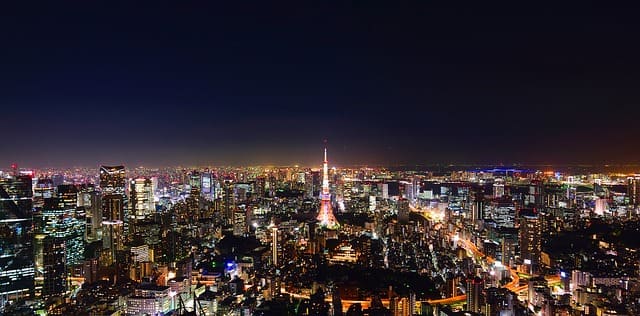
.jpg "List of Airports in Japan")


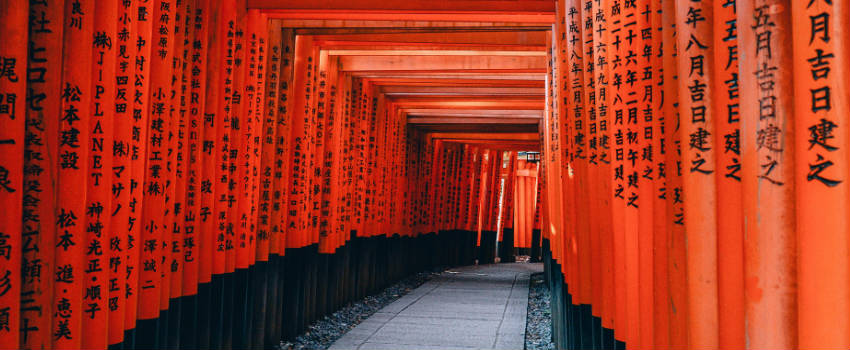
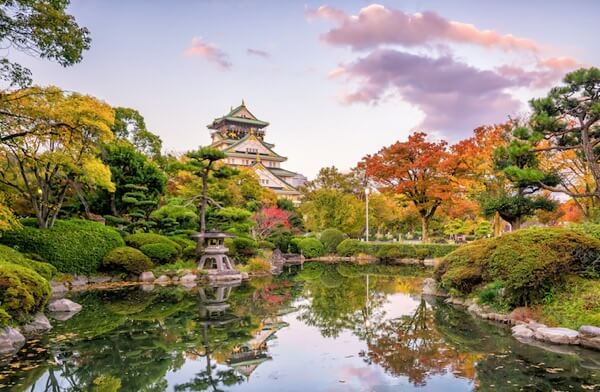
.jpg "Visa Requirements Relaxed for Pakistani Students")